What the Himalayas Taught Me About the Human Microbiome

The Mountain Silence
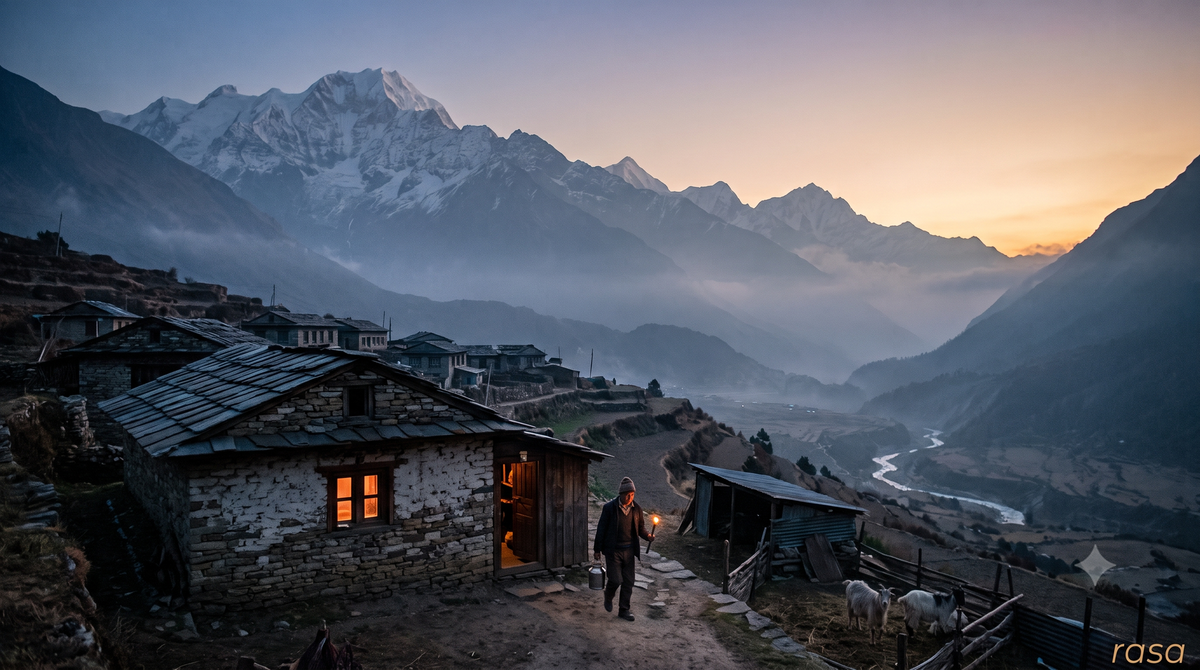
If you walk through a high-altitude Himalayan settlement as twilight descends, you are greeted by an absolute, primordial silence that modern urban centers have completely engineered out of existence.
As the sun dips behind the glacial ridges, life does not migrate indoors toward artificial blue-lit screens, neon billboards, or commercial nightlife. By 6:00 PM, families sit together around open hearths to share a modest, home-cooked evening meal. By 8:30 PM, the oil lamps and soft amber bulbs are extinguished. By 9:00 PM, entire valleys are asleep in pitch darkness under cold, star-dense skies.
Then comes the awakening. Long before the first rays of dawn touch the snowy peaks—typically between 4:00 AM and 5:00 AM—the mountain community is already moving. Fires are rekindled, livestock are tended, terraced crop patches are watered, and the physical demands of rural existence begin with quiet vigor.
Modern urban culture frequently dismisses this ancestral rhythm as an artifact of poverty, lack of electricity, or geographic isolation. But through the lens of modern clinical medicine, gastroenterology, and chronobiology, this lifestyle represents an exquisitely tuned biological operating system.
The contrast between contemporary metropolitan living and Himalayan mountain life is not merely cultural; it is cellular. It reveals precisely why modern digestive health is collapsing into an epidemic of irritable bowel syndrome (IBS), systemic inflammation, food intolerances, and metabolic dysfunction—and how returning to foundational ecological rhythms offers the only true path to healing.
Part I: The Gut Microbiome Has a Biological Clock
To understand why the mountain lifestyle heals while the metropolitan lifestyle harms, we must first abandon the outdated view of the human gut. The gastrointestinal tract is not an inert plumbing system where food is mechanically broken down and absorbed, nor is the microbiome an unstructured swarm of passive bacteria.
The human microbiome is an intricate, metabolically active ecosystem comprising tens of trillions of microorganisms. These bacteria, archaea, fungi, and viruses produce critical neurotransmitters, synthesize vitamins, regulate immune responses, and dictate intestinal mucosal integrity.
Crucially, your gut microbes operate on a 24-hour circadian rhythm.
This phenomenon, known in molecular medicine as microbial diurnal oscillation, means that different bacterial populations multiply, migrate, feed, and perform cellular maintenance in synchronization with the host’s daily sleep-wake cycle.
The Daytime Feeding Phase
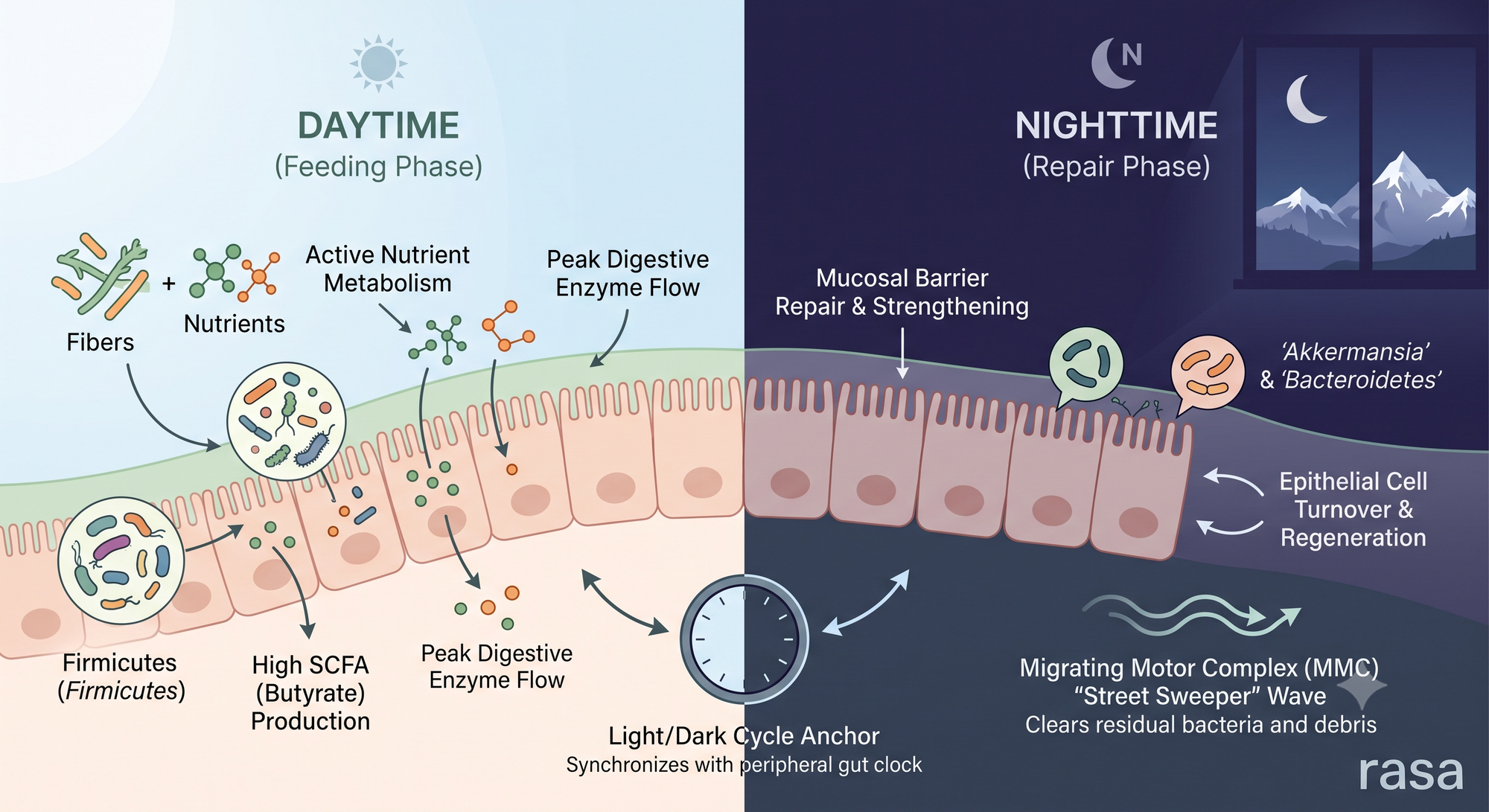
During daylight hours, when food enters the gastrointestinal system, daytime-dominant bacterial phyla (such as specific subsets of Firmicutes) ramp up their enzymatic machinery. They ferment dietary prebiotic fibers, metabolize complex carbohydrates, and synthesize short-chain fatty acids (SCFAs)—predominantly acetate, propionate, and butyrate. Butyrate acts as the primary fuel source for colonocytes (the cells lining the colon), dampening mucosal inflammation and fortifying intercellular tight junctions.
The Nighttime Repair Phase
When evening darkness falls and oral intake ceases, an entirely different biological shift occurs. As systemic insulin levels drop and nutrient absorption halts, nighttime-dominant bacterial species (such as Bacteroidetes and Akkermansia muciniphila) take center stage.
These organisms graze selectively on the outer mucin layer of the intestinal wall, stimulating goblet cells to secrete fresh, robust mucus. Concurrently, intestinal stem cells undergo heightened mitotic division to replace damaged enterocytes, clearing out cellular debris and repairing microscopic abrasions in the mucosal lining.
This critical repair cycle requires two non-negotiable conditions:
- Total digestive rest (a prolonged fasting window).
- Absolute biological night driven by endogenous melatonin and the absence of blue light.
Part II: The Urban Breakdown — Nightlife as a Biological Toxin
Modern city architecture is designed to defy nature. High-density cities operate on 24-hour cycles: late-night dining at 9:00 or 10:00 PM, ubiquitous LED screens, commercial nightlife, high stress, and constant sensory overstimulation.
From a physiological perspective, urban nightlife delivers a catastrophic triple-blow to human biology.
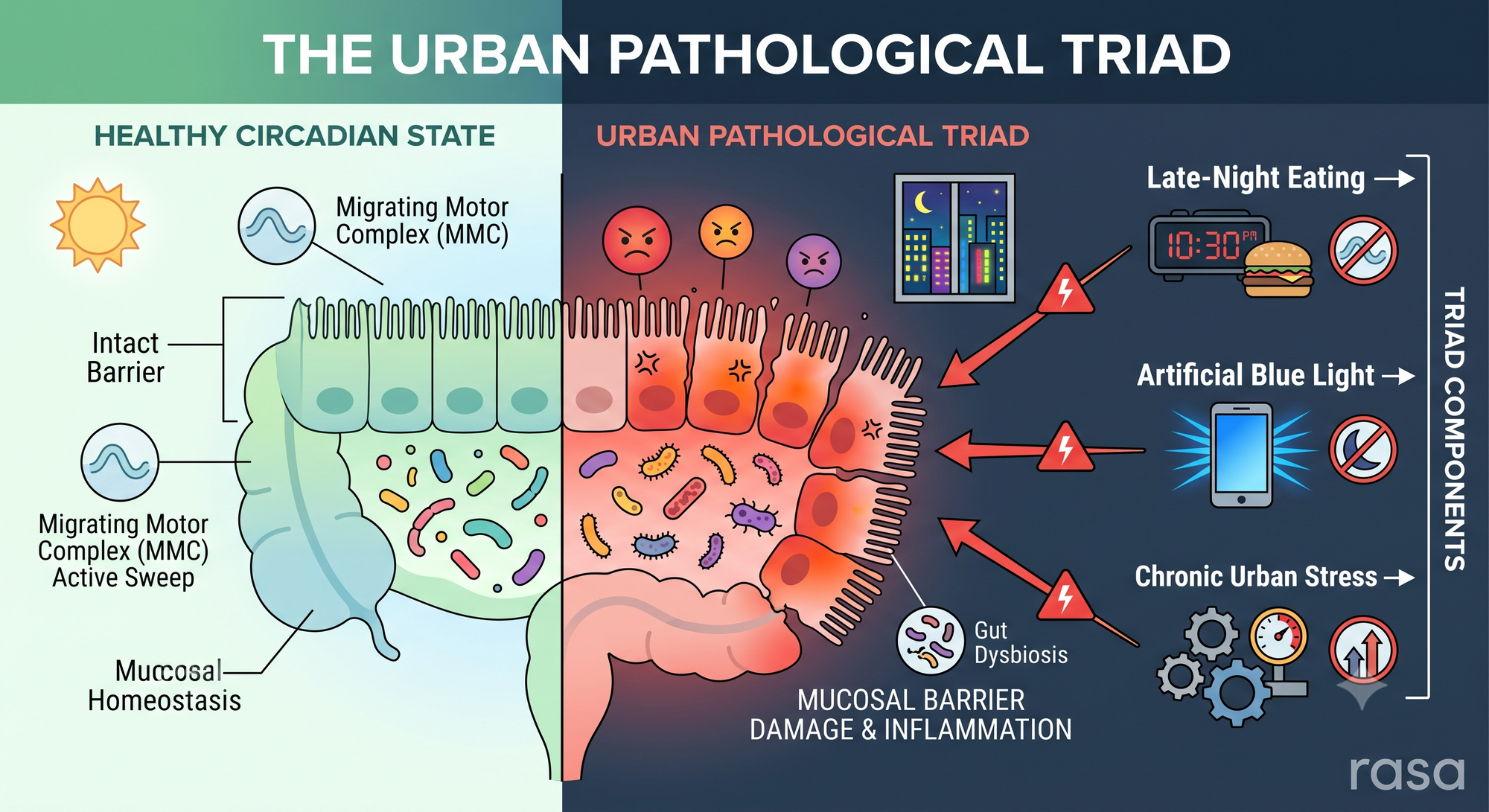
1. Melatonin Suppression in the Brain and the Gut
Most people understand melatonin solely as a pineal hormone produced in the brain to induce sleepiness. However, gastrointestinal medicine has revealed that the gut contains more than 400 times the amount of melatonin found in the pineal gland.
Gastrointestinal melatonin is produced by enterochromaffin cells scattered throughout the mucosal lining. It is one of the human body's most potent endogenous antioxidants. It scavenges reactive oxygen species (ROS), maintains the microcirculation of the gut wall, upregulates tight junction proteins (like zonula occludens-1 and occludin), and protects the gut lining from ulceration and inflammatory damage.
When city dwellers expose their retinas to high-intensity artificial blue light from smartphones, televisions, and indoor fixtures late into the evening, the suprachiasmatic nucleus (SCN) in the hypothalamus suppresses both central and peripheral melatonin synthesis. Deprived of melatonin, the gut mucosal lining loses its nightly biochemical shield.
2. The Late Dinner and the Inhibition of the 'Street Sweeper'
In many modern cities, dining between 8:30 PM and 10:00 PM is standard practice. When a heavy meal containing fats, proteins, and refined carbohydrates is consumed late in the evening, the stomach and proximal small intestine are forced into active mechanical breakdown and chemical digestion during hours when metabolic rate and enzymatic secretion are naturally downshifted.
Worse, late eating entirely disables the Migrating Motor Complex (MMC), visualized below.
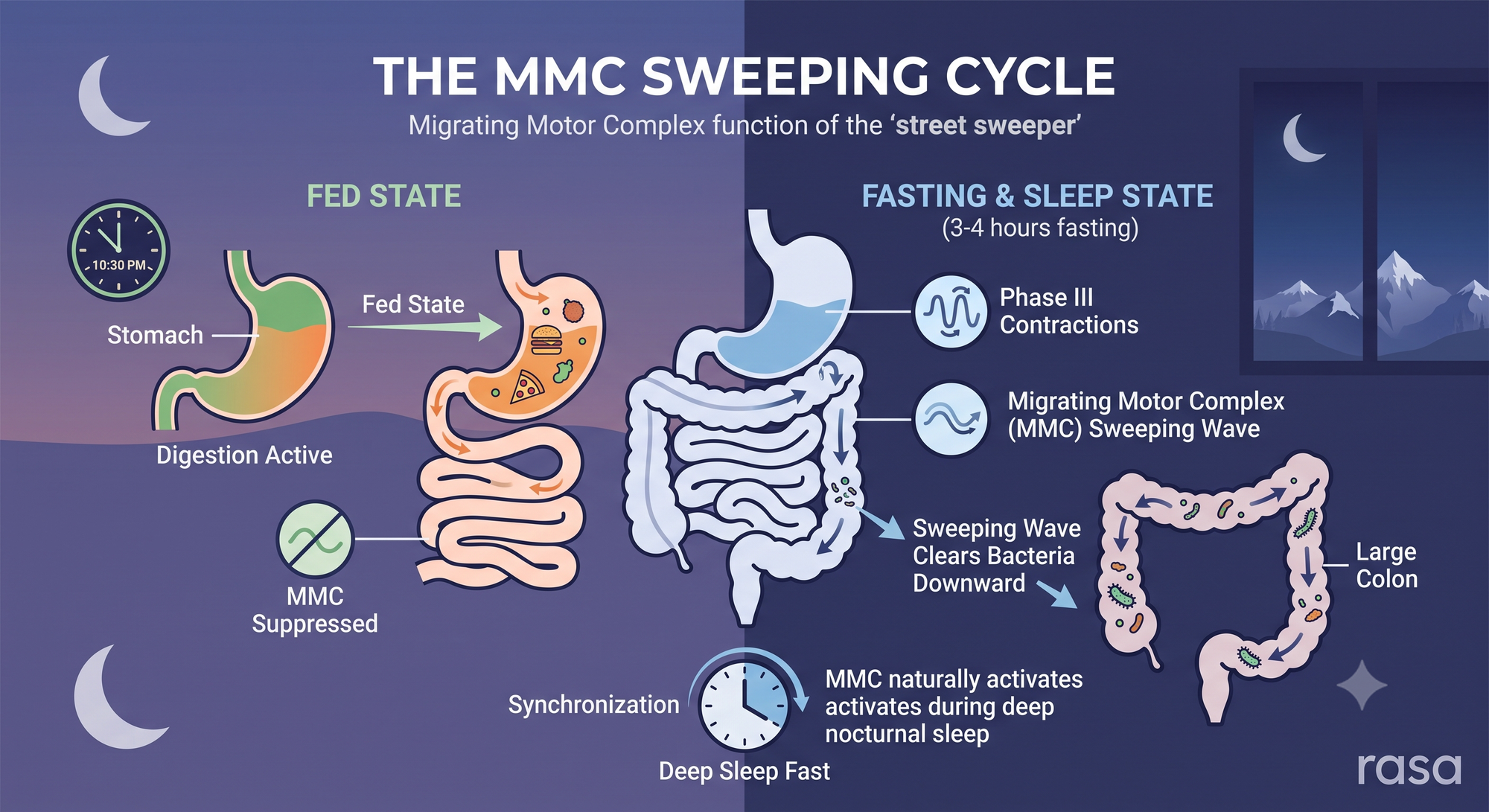
The MMC is an electro-mechanical sweeping mechanism that initiates in the stomach and traverses the small intestine only after a period of 3 to 4 hours of uninterrupted fasting. Occurring primarily during deep, undisturbed nocturnal sleep, the MMC functions as the gastrointestinal tract's internal street sweeper: it pushes undigested food remnants, desquamated cellular debris, and residual bacteria out of the small intestine down into the large colon.
When someone eats dinner at 9:00 PM and falls asleep with a partially digested bolus in their upper digestive tract, the MMC never activates. This stagnation allows colonic bacteria to migrate upward and proliferate where they do not belong, leading to SIBO and chronic bloating.
Part III: The Himalayan Sanctuary — An Ecological Paradise for the Gut
By sharp contrast, the lifestyle in a Himalayan village naturally aligns with human evolutionary biology. Without ever opening a medical textbook or analyzing a stool microbiome profile, mountain communities live in harmony with the exact parameters that create optimal microbial ecology.
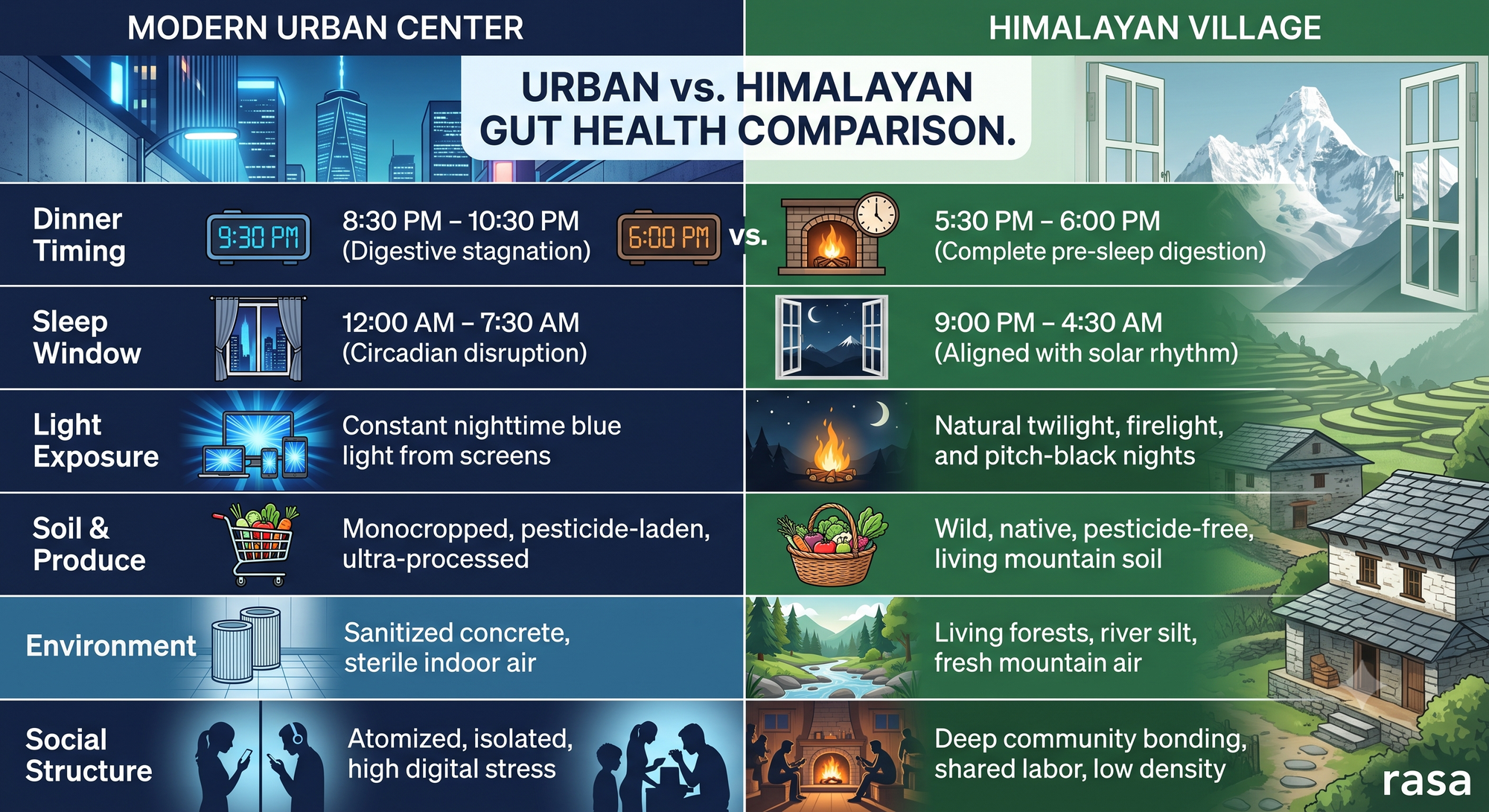
1. The Neurobiology of Community Bonding
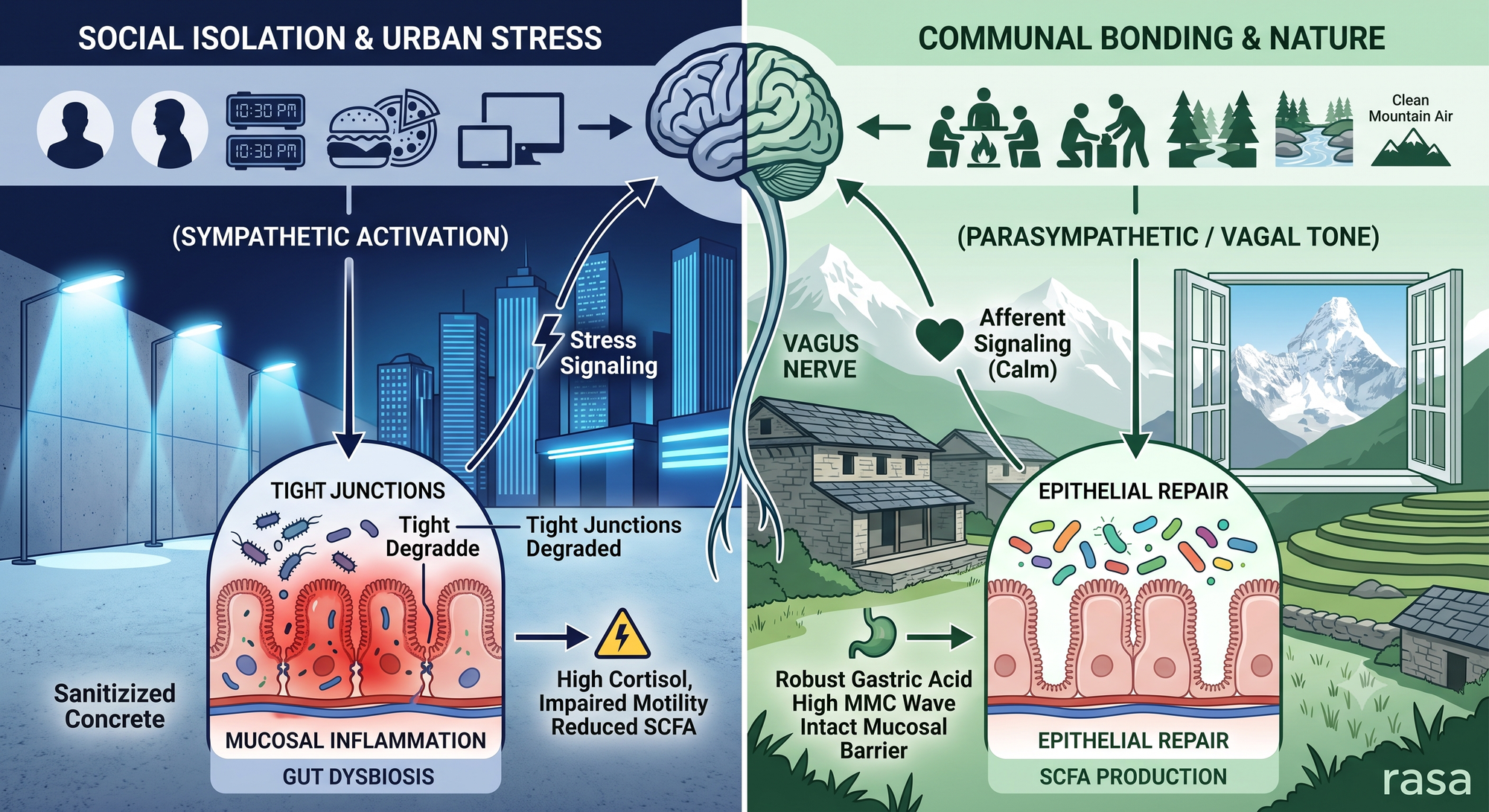
In Himalayan settlements, social bonds are not maintained through fragmented smartphone applications; they are forged through shared physical labor, shared meals, storytelling around the hearth, and mutual dependence for survival. Human beings are wired for tribal connection.
The model below visualizes how these environmental and social differences cascade through the gut-brain axis, either supporting mucosal repair or driving dysbiosis and inflammation.
Part IV: The Physician’s Blueprint — Reclaiming Mountain Biology in Modern Life
Most of us cannot immediately abandon our urban careers, sell our possessions, and relocate to a remote Himalayan valley. However, the human genome is extraordinarily plastic. The fundamental biological laws governing circadian rhythm, gut ecology, and cellular repair remain identical whether you are sitting in a mountain home or an urban apartment.
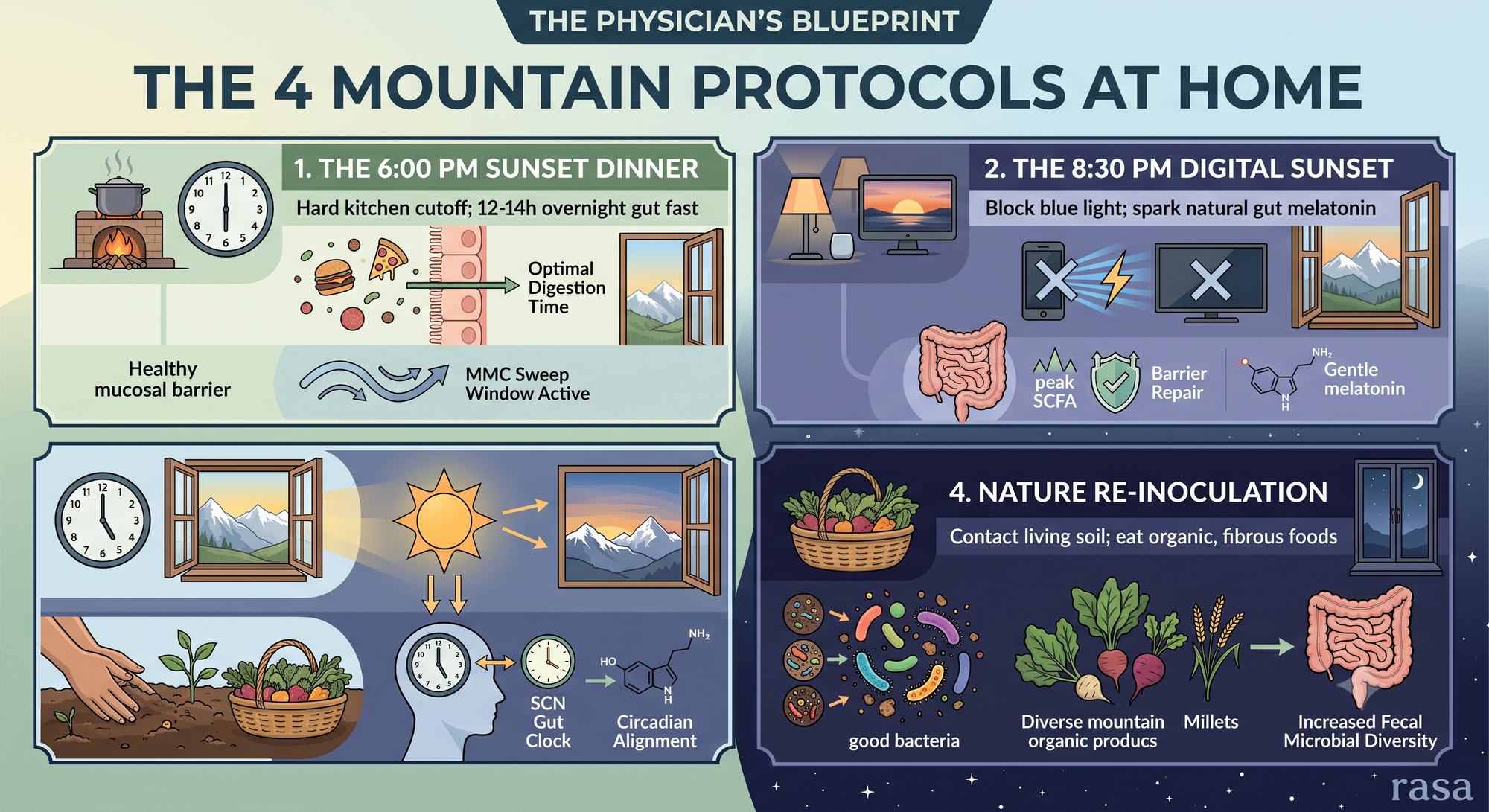
You can construct a personal mountain sanctuary inside modern life by implementing four clinical, non-negotiable protocols, summarized here.
The Final Lesson
True gut health does not come out of an expensive plastic bottle of synthetic probiotic capsules, nor does it require restrictive, hyper-engineered diets that make normal living impossible.
The people of the Himalayas have thrived for millennia not because they possess advanced medical technology, but because they have never severed their connection to the fundamental laws of nature:
- They eat when the sun shines, finishing early with the setting sun.
- They sleep deeply in restorative darkness when night covers the earth.
- They rise with the morning light to move and work with the land.
- They nourish their bodies with real, unadulterated food grown in living soil.
- They live in close, supportive connection with one another.
Modern medicine continues to reveal the cellular, hormonal, and genetic mechanisms that explain why this ancient way of life works so well. But the truth itself is simple: when you heal your connection to natural rhythms, your gut microbiome heals itself.
The mountains are not just a geographical destination. They are a biological blueprint. Step into their rhythm, and let your body remember how to thrive.
In my daily practice as a Lead Consultant in Emergency Medicine & Internal Medicine, I manage the body at its biological edge. We often rely on the most advanced pharmacological and mechanical interventions available. Yet, the most profound outcomes are sometimes achieved by returning to foundations. When I modified the standard feeding protocol for my ICU patients, implementing a light dinner by 6:00 PM to facilitate true overnight digestive rest and deep restorative sleep, I observed a statistically significant difference. Patients experienced shorter hospital stays and a faster return to homeostasis. This isn't coincidence; it’s chronobiology. We cannot expect the body to recover from critical illness if we simultaneously demand that its gut microbes and repair systems function out of sync with their natural rhythms.
Coming Up Next:
You know cholesterol and blood pressure are heart attack risk factors.
In our next deep dive, we explore how chronic sleep deprivation actually creates a 'leaky heart.' We'll look at why ignoring your body’s overnight repair rhythm directly attacks the cardiovascular system—all because your gut wasn't resting.We will examine the new clinical link between poor Nidra (sleep), leaky gut, and systemic inflammation that triggers cardiovascular events. The truth is far more circular than we thought, with real examples from a busy tertiary care hospital.